ChatGPT Health Saves Lives: How the AI App Connects Patients with the Medical World
January 17, 2026
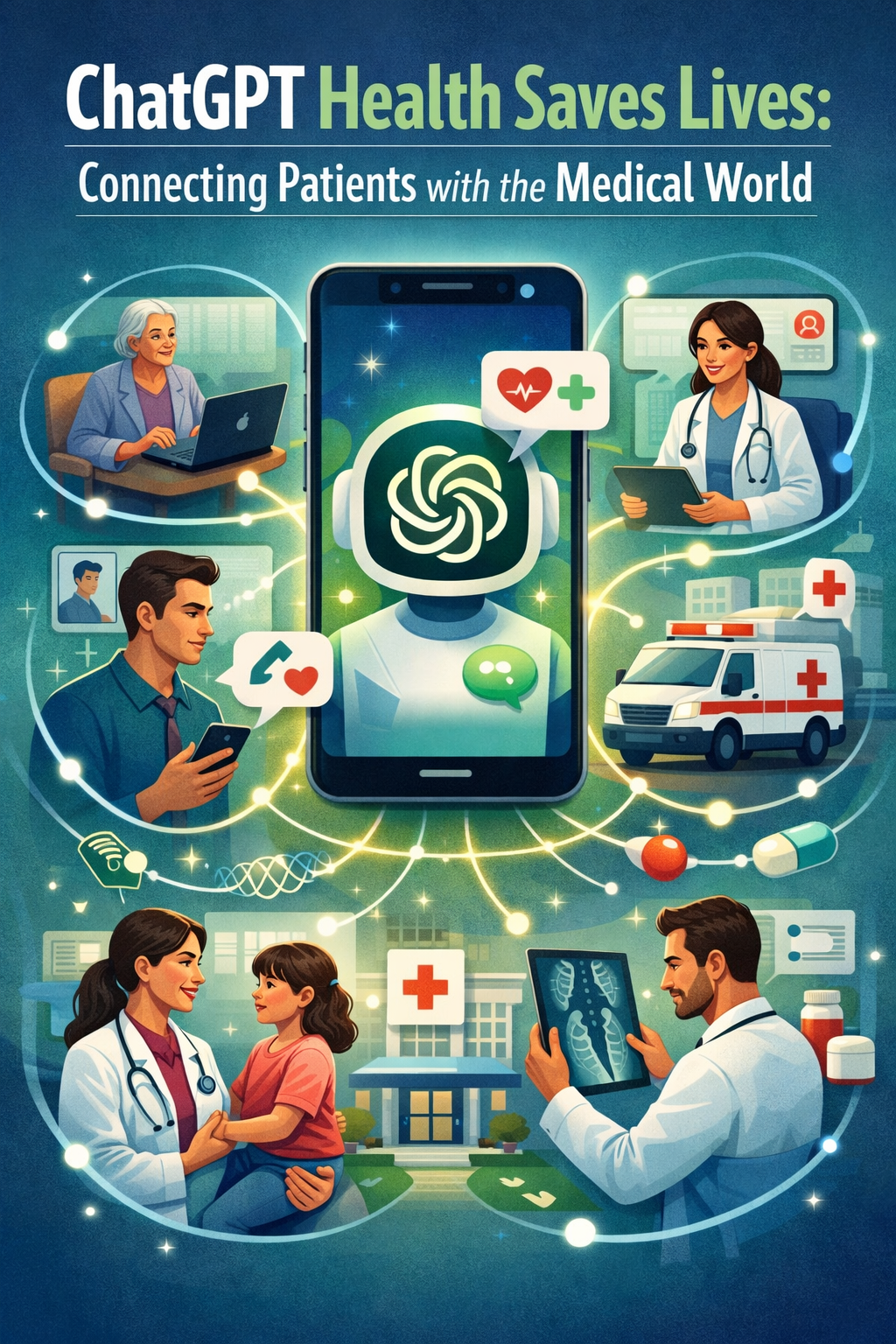
A trip to the hospital causes anxiety for many patients. This anxiety does not come solely from the patient's health condition, but from uncertainty about what questions to ask and how to ask them. Many patients fear forgetting important information such as test results, prescriptions, or follow-up instructions.
This fear is multiplied when patients must translate medical information for children, elderly family members, or loved ones. The medical experience can quickly become overwhelming.
Living in the Old Medical World
In the past, patients entered doctor's offices with little knowledge of what to expect beyond their diagnosis. Doctors controlled most of the information, while patients waited passively for next steps.
Appointments often involved medical professionals speaking while patients listened quietly, unsure how to ask questions. Afterward, patients left with complicated terminology, unanswered concerns, and handwritten notes that were difficult to understand.
Connecting the Medical World
Health information was once scattered across multiple facilities and disconnected applications. On January 7, 2026, OpenAI launched ChatGPT Health, a HIPAA-compliant tool designed to help patients securely access and understand their medical records.
ChatGPT Health provides personalized insights rather than diagnosis or treatment, allowing patients to ask questions, analyze records, and collaborate more effectively with healthcare providers.
What This Means for Patients
For the first time, patients can access their own medical history in plain language. Instead of deciphering clinical notes alone, they can ask ChatGPT Health to explain test results, clarify medication instructions, or prepare questions for their next appointment.
This shift puts patients in a more active role in their own care, reducing anxiety and improving communication between patients and providers.